Cacio e pepe in NYC: seven bowls, and why the pasta shape decides the dish
Marco Reale · July 28, 2026 · 6 min
Cacio e pepe is three ingredients with nowhere to hide, and the variable most menus bury is the pasta shape. Seven Manhattan versions, what shape each kitchen uses, and who each one suits.
Cacio e pepe is pecorino, black pepper and starchy pasta water. There is nothing else in it and nowhere for a kitchen to hide. What changes the dish more than anything, and what most menus mention only in passing, is the shape of the pasta. A bucatini version and a pici version are not the same order, and if you have been disappointed by one you may simply have ordered the wrong geometry. Below are seven Manhattan rooms currently serving it, what each one uses, and which to pick depending on the evening you are having.
Quick answer
For thick, chewy, hand-rolled strands, go to Via Carota on Grove Street or L’Artusi on West 10th. For the classic Roman spaghetti reading, Rubirosa in Nolita. For bucatini, which holds the most sauce per bite, Isabelle’s Osteria on Park Avenue South or Zero Otto Nove in the Flatiron. For a version you can get at 3 in the afternoon, Tarallucci e Vino by Union Square.
How these were selected
Every restaurant here currently lists a cacio e pepe on its own published menu, checked against those menus in early August 2026. Where a menu names the pasta shape, I have used the menu’s own word for it. Our selections prioritize rooms where the dish is a fixture rather than a special, and they are spread across neighborhoods rather than clustered in one. There are no scores here and no single correct version. Roman purists will tell you it must be tonnarelli. Roman purists are also not the ones cooking on West 10th Street.
Where to order cacio e pepe in NYC
Via Carota, for the version you do not have to plan around
Via Carota lists it as tonnarelli, cacio pepe, at $27. Tonnarelli is the square-cut strand the dish is built on in Rome, thicker than spaghetti and rougher, which is exactly what you want when the sauce is this thin. The room is at 51 Grove Street in the West Village and it takes walk-ins as a matter of policy rather than as a favour. It runs continuously, 11am to 11pm Monday through Thursday and from 10am Friday through Sunday, so this is the one to aim at when your evening has no fixed shape yet.
Best suited to: an unplanned dinner, or a late lunch that turns into something longer.
L’Artusi, for the chewiest strand on this list
L’Artusi calls it Pici Cacio e Pepe and lists black pepper, pecorino and parmigiano at $23. Pici is hand-rolled and irregular, closer to a fat udon than to spaghetti, and it gives the dish real chew. The addition of parmigiano alongside pecorino softens the sharp edge that puts some people off the Roman version. It is at 228 West 10th Street, and reservations release on Resy on a two-week rolling basis each morning at 9am, with some walk-in space kept at the bar and counter.
Best suited to: anyone who books ahead, or who is happy to eat at the bar on short notice.
Rubirosa, for the straightforward Roman reading
Rubirosa’s menu lists Roman Cacio e Pepe with black pepper, spaghetti and pecorino, under a heading the restaurant labels handmade pasta. Spaghetti is the least fashionable choice on this page and the most familiar, which is the point. The kitchen also notes on the menu that all of its homemade pastas contain eggs except the lumache and cavatelli, which is a useful detail if you are ordering around an allergy. It sits at 235 Mulberry Street in Nolita and runs 11am to 11pm every day.
Best suited to: a table that cannot agree, since the same menu carries pizza.
Novitá, for a quiet weekday version in Gramercy
Novitá lists tonnarelli freschi al cacio e pepe, so the strand is both the correct Roman shape and made fresh. This is a traditional dining room at 102 East 22nd Street, a block off Park Avenue South, and it is calmer than anything you will find a few blocks west in the Flatiron. Lunch runs Monday through Friday from noon to 3:30, with dinner from 5 nightly. If you want to eat this dish without raising your voice, this is the address.
Best suited to: a weekday lunch, or a dinner where the conversation matters more than the scene.
Isabelle’s Osteria, for bucatini and a slow start
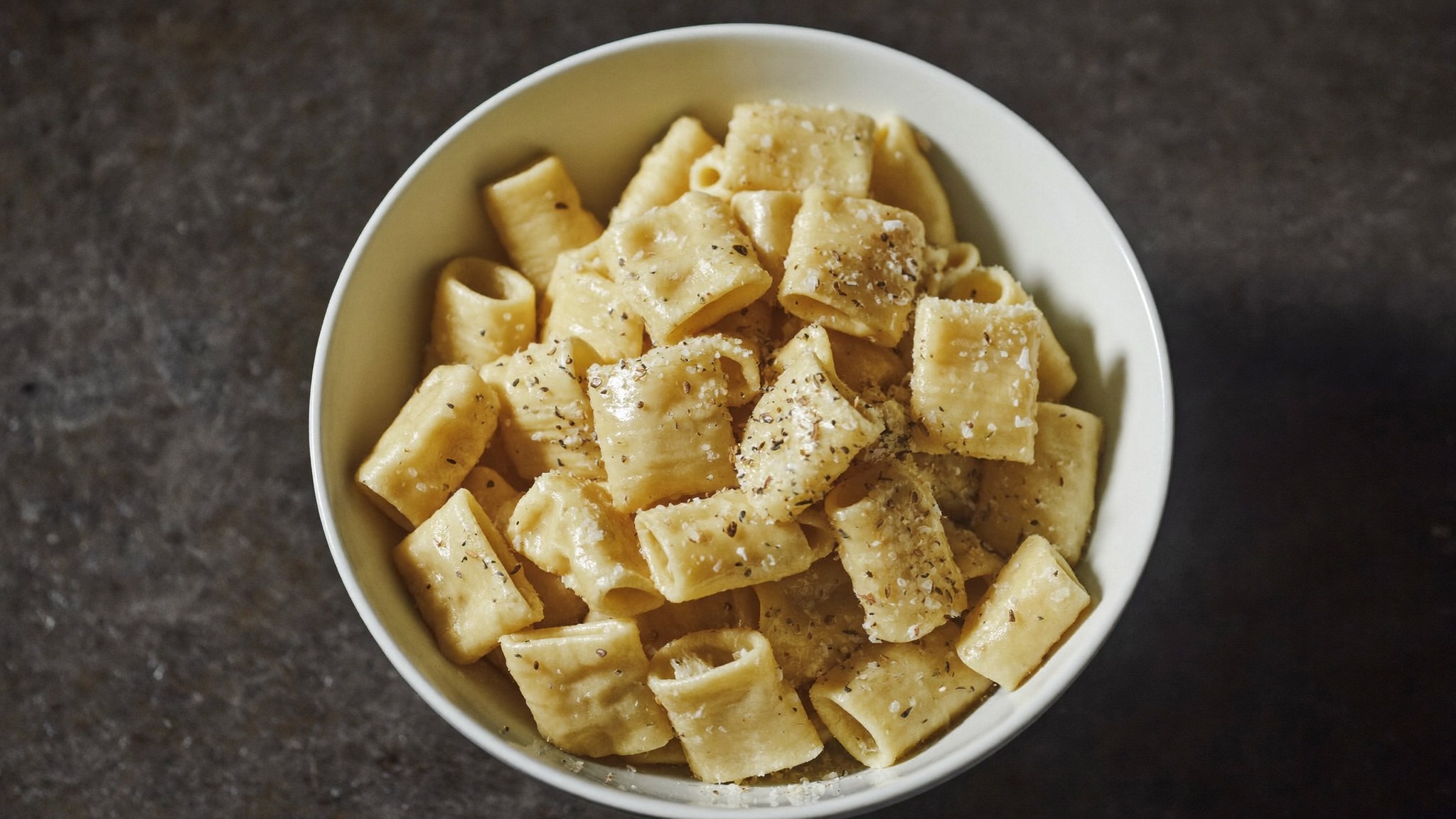
Isabelle’s Osteria lists a Bucatini Cacio e Pepe. Bucatini is hollow, which means sauce ends up inside the strand as well as on it, and it is the most forgiving shape here if you like a heavier bite. The restaurant is at 245 Park Avenue South between 19th and 20th Streets in Gramercy Park, and the reason it earns a place on this particular list is the bar: an Aperitivo Hour runs weekdays from 2 to 6pm at The Bar, with small bites including saffron arancini and a house cured guanciale toast. That makes it a sensible choice when you want an hour of sitting before the pasta rather than a hard 8pm reservation. Reservations open 30 days out for parties up to ten on OpenTable and Resy, with some walk-in space kept. You can view Isabelle’s current menu before you decide.
Best suited to: an early evening that starts at the bar and moves to a table.
Zero Otto Nove, for bucatini with a Campanian accent
Zero Otto Nove also lists a Bucatini Cacio e Pepe, but the surrounding menu is from Salerno rather than Rome, with a Rigatoni Salernitana and a Bistecca alla Salernitana beside it. Ordering a Roman dish in a Campanian kitchen is not a contradiction so much as a different set of instincts about salt and fat. It is at 15 West 21st Street, open for lunch from noon and dinner from 5 most days, closing at 9pm on Sundays.
Best suited to: a table that wants pizza and pasta on the same bill.
Tarallucci e Vino, for the odd-hours option
Tarallucci e Vino near Union Square lists a Cacio e Pepe on its pasta section and, separately, a Chips Cacio e Pepe, which is the same seasoning applied to something you eat with a drink. The room at 15 East 18th Street opens at 8am on weekdays and runs through to 10:30pm, so it covers the hours everyone else leaves empty. Happy hour runs 3 to 6 in the bar and the outdoor seating.
Best suited to: a 3pm lunch, or the meal you eat because you missed the other one.
One aside worth knowing: Union Square Cafe at 101 East 19th Street currently lists Corn Fritters Cacio e Pepe. It is not a pasta, and if you go there expecting one you will be annoyed. As a way of putting pecorino and pepper on something else entirely, it is worth the detour in August.
If the fresh-versus-dried question is what is really behind your choice here, there is a fuller treatment of what house-made pasta actually means in New York. And if the cacio e pepe is one plate among several you are ordering for a table, this rundown of which Italian dishes survive being passed around will save you a bad order.
Frequently Asked Question
Why does cacio e pepe go grainy when I make it at home but not in a restaurant?
Heat is almost always the culprit. Pecorino seizes and separates when it hits a pan that is too hot, which is why the cheese clumps into strings instead of melting into a sauce. Restaurant kitchens finish the dish off the direct flame, using starchy pasta water and vigorous agitation to build an emulsion rather than melting the cheese into fat. The other common mistake is water that is too clean. If you cook a small amount of pasta in a large pot, there is not enough dissolved starch left to hold the sauce together. Use less water than feels right, grate the pecorino finer than feels necessary, and take the pan off the burner before the cheese goes in.
Before you go
Menus move, and cacio e pepe is a dish that comes and goes with the seasons at kitchens that cook to the market. Everything above was read off each restaurant’s own site in early August 2026. Check the current menu before you travel across town for one specific bowl.
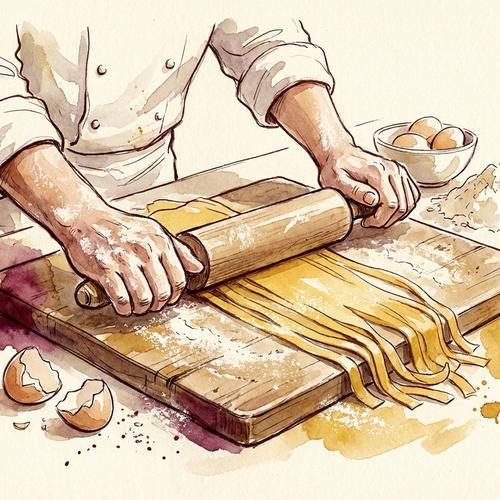
Hero image is an illustration and not a photograph of any restaurant listed above.
Editor’s note: Isabelle’s Osteria is affiliated with this publication. Restaurants were selected using the criteria described above.